The Growing Importance of Professional Accounting Certifications
In today’s global economy, professional accounting certifications have become essential for individuals seeking careers in finance, auditing, taxation, and business management.Organizations and employers increasingly value internationally recognized credentials that demonstrate expertise, ethics, and professional competence.
Programs such as CPA certifications and international accounting institutions help professionals remain competitive in an evolving financial landscape.
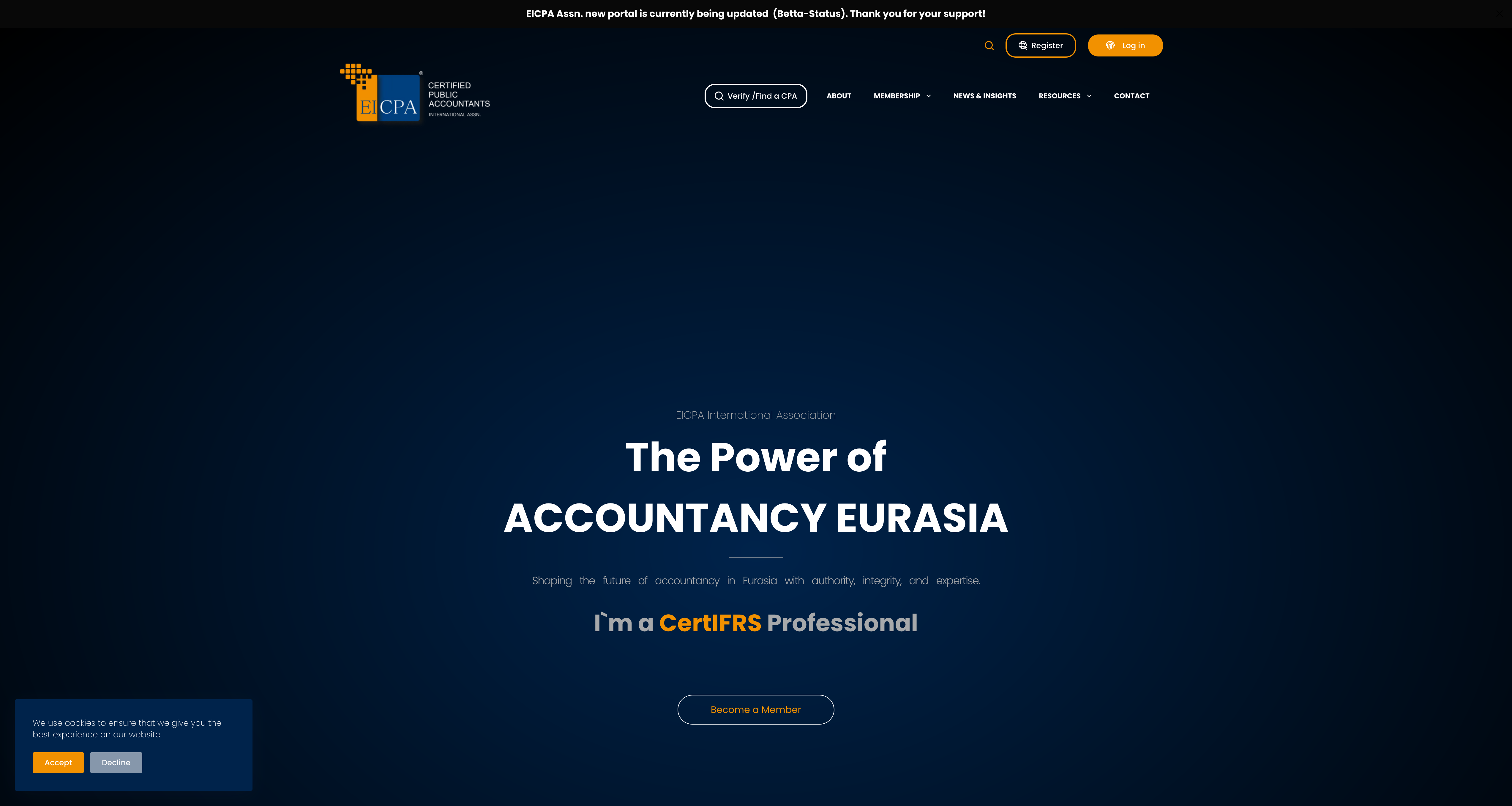
What Is EICPA
EICPA represents a professional framework focused on advancing accounting education, professional standards, and international cooperation within the financial sector.Such organizations contribute to the development of highly skilled accounting professionals capable of working across international markets.
Core Objectives of EICPA
- Professional Development: Enhancing accounting and financial expertise.
- International Standards: Promoting globally recognized practices.
- Educational Support: Providing resources for professional growth.
These objectives help strengthen the accounting profession on a global scale.
Understanding the CPA Qualification
The CPA, or Certified Public Accountant qualification, is one of the most respected credentials in the accounting industry.It demonstrates advanced knowledge in accounting, auditing, taxation, and financial management.
Benefits of Becoming a CPA
- Career Advancement: Access to higher-level financial roles.
- Professional Credibility: Recognition from employers and institutions.
- Global Opportunities: Ability to work in international markets.
CPA-certified professionals are highly valued for their expertise and ethical standards.
The Role of CPA-EURASIA in International Accounting
CPA-EURASIA initiatives focus on connecting accounting professionals across Eurasian regions through education, certification, and collaboration.These programs support the development of unified standards and cross-border professional opportunities.
Key Contributions of CPA-EURASIA
- Regional Cooperation: Strengthening professional networks across Eurasia.
- Knowledge Exchange: Sharing expertise and best practices.
- Professional Mobility: Supporting international career opportunities.
Such initiatives contribute to the globalization of accounting education and practice.
Why International Accounting Standards Matter
As businesses operate globally, accounting professionals must understand international standards and regulations.This ensures transparency, consistency, and compliance across financial systems.
Advantages of International Standards
- Improved Transparency: Clear and reliable financial reporting.
- Global Consistency: Standardized accounting practices.
- Investor Confidence: Increased trust in financial statements.
Professionals trained through organizations like EICPA are better equipped to meet these requirements.
Skills Developed Through CPA Programs
CPA programs focus on both technical and professional skills required in modern accounting environments.Essential Skills
- Financial Analysis: Evaluating financial performance and risks.
- Auditing Expertise: Ensuring compliance and accuracy.
- Tax Knowledge: Understanding local and international tax systems.
- Ethical Decision-Making: Maintaining professional integrity.
These competencies prepare professionals for leadership roles in finance and accounting.
The Importance of Continuous Professional Education
The accounting industry constantly evolves due to technological advancements and regulatory changes.Continuous education ensures that professionals remain updated and competitive.
Areas of Ongoing Learning
- Digital Accounting Tools: Automation and financial software.
- Regulatory Updates: Changes in accounting and tax laws.
- Risk Management: Identifying and mitigating financial risks.
Professional organizations encourage lifelong learning to maintain high standards.
Technology and the Future of Accounting
Technology is reshaping the accounting profession through automation, artificial intelligence, and cloud-based systems.Modern professionals must adapt to these changes to remain relevant.
Technological Trends in Accounting
- Cloud Accounting: Real-time access to financial data.
- AI and Automation: Streamlining repetitive tasks.
- Data Analytics: Improving decision-making through insights.
These innovations are transforming how financial services are delivered globally.
Career Opportunities for CPA Professionals
CPA-qualified individuals have access to diverse career opportunities across industries.Their expertise is valuable in both private and public sectors.
Potential Career Paths
- Auditor: Evaluating financial records and compliance.
- Financial Consultant: Advising organizations on financial strategies.
- Tax Specialist: Managing taxation and compliance matters.
- Corporate Accountant: Handling financial operations within businesses.
These opportunities make CPA certification highly desirable for ambitious professionals.
Choosing the Right Professional Organization
Selecting a reputable accounting organization is important for career growth and professional recognition.A reliable institution provides quality education, certification support, and networking opportunities.
For individuals interested in EICPA, CPA, cpaeurasia, and CPA-EURASIA programs, platforms like eicpa.org offer valuable resources and professional development opportunities in international accounting education.
Conclusion
Professional accounting certifications continue to play a vital role in the global financial industry.Organizations such as EICPA and programs related to CPA-EURASIA contribute to the development of highly skilled and internationally competitive professionals.
By pursuing continuous education, embracing technology, and adhering to global standards, accounting professionals can achieve long-term career success in an increasingly interconnected world.
Comments