The Growing Importance of Data Protection in the Digital Age
In an increasingly digital environment, data has become one of the most valuable assets for individuals and organizations alike.From personal files to critical business information, protecting data is no longer optional but essential.
Data loss can occur due to hardware failure, cyberattacks, accidental deletion, or natural disasters.
This is why implementing effective backup, data, security, and recovery strategies is crucial for maintaining continuity and minimizing risks.
Understanding Cloud Backup Solutions
Cloud backup refers to the process of storing copies of data on remote servers accessed through the internet.Unlike traditional storage methods, cloud-based systems offer flexibility, scalability, and accessibility.
Key Features of Cloud Backup
- Automatic Backup: Scheduled backups ensure data is consistently updated.
- Remote Access: Retrieve data from anywhere with an internet connection.
- Scalability: Easily expand storage as data grows.
- Cost Efficiency: Pay only for the storage you use.
These features make cloud backup an essential component of modern data management systems.
Why Data Security Matters More Than Ever
As digital threats continue to evolve, ensuring data security has become a top priority.Cyberattacks such as ransomware, phishing, and malware can compromise sensitive information and disrupt operations.
Common Security Threats
- Ransomware Attacks: Data is encrypted and held hostage until payment is made.
- Unauthorized Access: Breaches caused by weak authentication systems.
- Insider Threats: Risks from internal users with access to sensitive data.
- Data Corruption: Loss of integrity due to system errors or malicious activity.
Implementing robust security measures helps safeguard data from these threats.
The Role of Data Recovery in Business Continuity
Data recovery is the process of restoring lost, damaged, or inaccessible data.It plays a critical role in ensuring that operations can resume quickly after an incident.
Benefits of Effective Data Recovery
- Minimized Downtime: Quickly restore operations after disruptions.
- Data Integrity: Ensure accurate and complete recovery of information.
- Business Continuity: Maintain productivity and customer trust.
- Regulatory Compliance: Meet data protection and retention requirements.
A strong recovery plan is essential for resilience in any organization.
Combining Backup and Security for Maximum Protection
While backup and security are often discussed separately, they work best when integrated.A comprehensive strategy ensures that data is both protected from threats and recoverable when needed.
Integrated Protection Strategies
- Encryption: Protect data during storage and transmission.
- Access Control: Restrict data access to authorized users only.
- Regular Updates: Keep systems and software up to date.
- Monitoring Systems: Detect and respond to suspicious activities.
Combining these measures enhances overall data protection and reliability.
Types of Backup Methods Explained
Different backup methods serve different purposes, depending on data requirements and system complexity.Common Backup Types
- Full Backup: Copies all data at once, providing complete protection.
- Incremental Backup: Saves only changes made since the last backup.
- Differential Backup: Stores changes made since the last full backup.
Choosing the right backup method depends on storage capacity, recovery time, and operational needs.
Benefits of Cloud-Based Recovery Solutions
Cloud recovery solutions offer several advantages over traditional recovery methods.Key Advantages
- Speed: Faster data restoration compared to physical backups.
- Accessibility: Access recovery tools from any location.
- Automation: Reduced manual intervention during recovery processes.
- Scalability: Adapt recovery resources based on needs.
These benefits make cloud recovery a preferred choice for modern organizations.
Best Practices for Data Security and Backup
Implementing best practices ensures that your data protection strategy is effective and reliable.Recommended Practices
- Regular Backups: Schedule frequent backups to avoid data gaps.
- Strong Passwords: Use complex and unique passwords for all accounts.
- Multi-Factor Authentication: Add an extra layer of security.
- Data Encryption: Protect sensitive information from unauthorized access.
- Routine Testing: Test recovery processes to ensure effectiveness.
Following these practices helps maintain a secure and resilient data environment.
Challenges in Data Backup and Recovery
Despite advancements in technology, organizations still face challenges in managing data effectively.Common Challenges
- Data Volume Growth: Increasing data requires scalable solutions.
- Complex Systems: Managing multiple platforms and environments.
- Security Risks: Protecting data from evolving cyber threats.
- Cost Management: Balancing budget with advanced solutions.
Addressing these challenges requires strategic planning and reliable tools.
Future Trends in Data Protection and Recovery
The future of data protection is driven by innovation and evolving technologies.Organizations are adopting smarter solutions to stay ahead of risks.
Emerging Trends
- AI-Driven Security: Automated threat detection and response.
- Hybrid Cloud Solutions: Combining on-premise and cloud storage.
- Zero Trust Models: Enhanced access control and verification.
- Real-Time Backup: Continuous data protection without delays.
These trends highlight the importance of adapting to new technologies for better data management.
Choosing the Right Data Protection Platform
Selecting a reliable platform is essential for ensuring effective backup, security, and recovery.A good solution should offer scalability, strong security features, and ease of use.
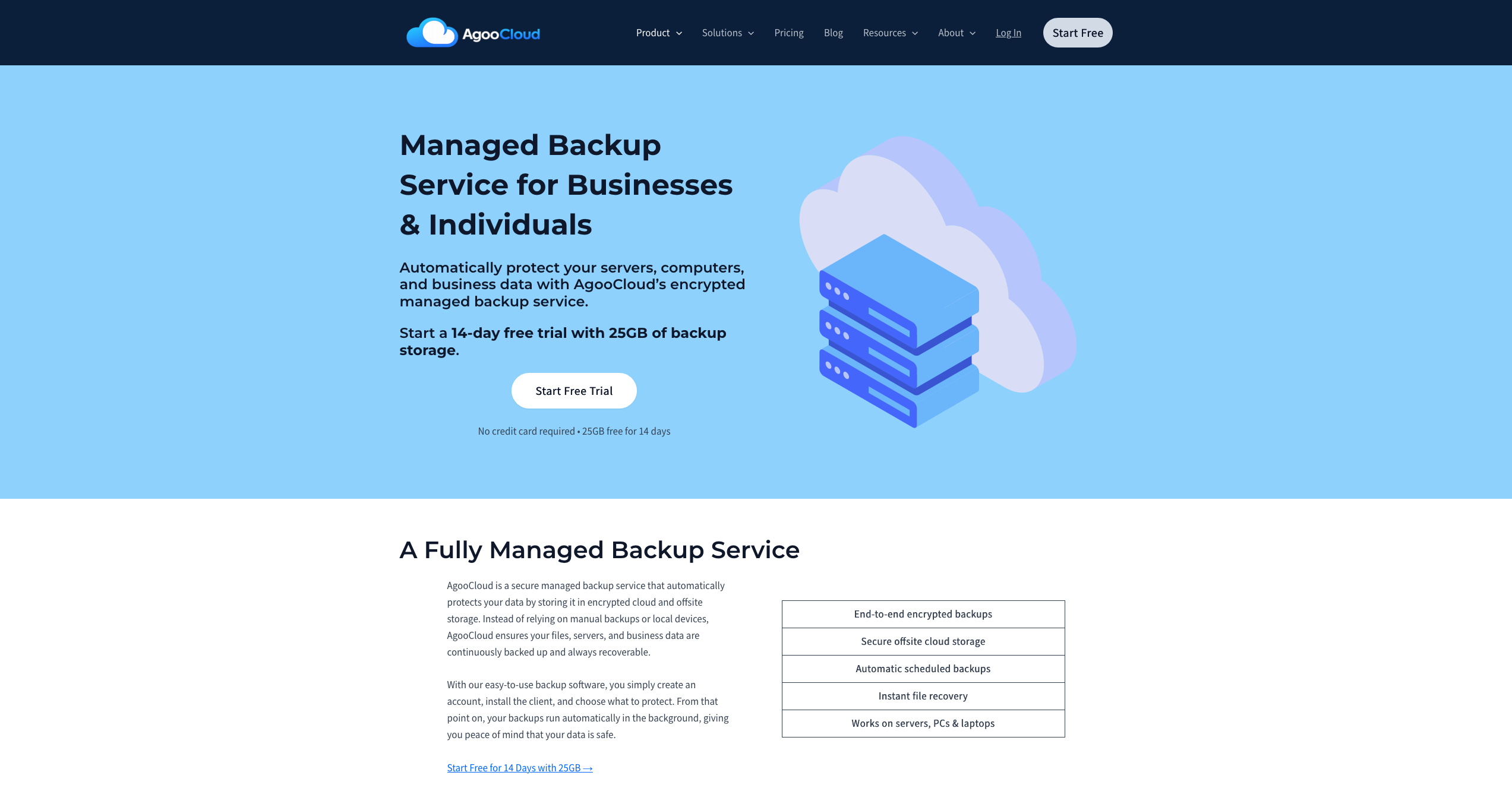
For advanced solutions in backup, data, security, and recovery, platforms like agoocloud.com provide comprehensive tools designed to protect and manage your digital assets efficiently.
Conclusion
Data protection is a critical component of modern digital operations.By implementing strong backup systems, ensuring robust data security, and having reliable recovery solutions, individuals and organizations can safeguard their information effectively.
As technology continues to evolve, adopting advanced cloud-based solutions will be essential for staying secure and resilient in an increasingly data-driven world.
Comments
Be the first to comment on this article!